One of the most tragic experiences anyone can go through is Alzheimer’s disease and other forms of senile dementia, both for the patient and their loved ones. Although there’s still no cure, and even the root causes remain uncertain, there are more treatment options today than ever before. Many of those options are pharmaceutical, focusing on slowing the changes in the brain that come with Alzheimer’s and dementia and treating the symptoms, while other approaches utilize cognitive retraining and even changes to one’s diet to help manage the effects of cognitive decline.
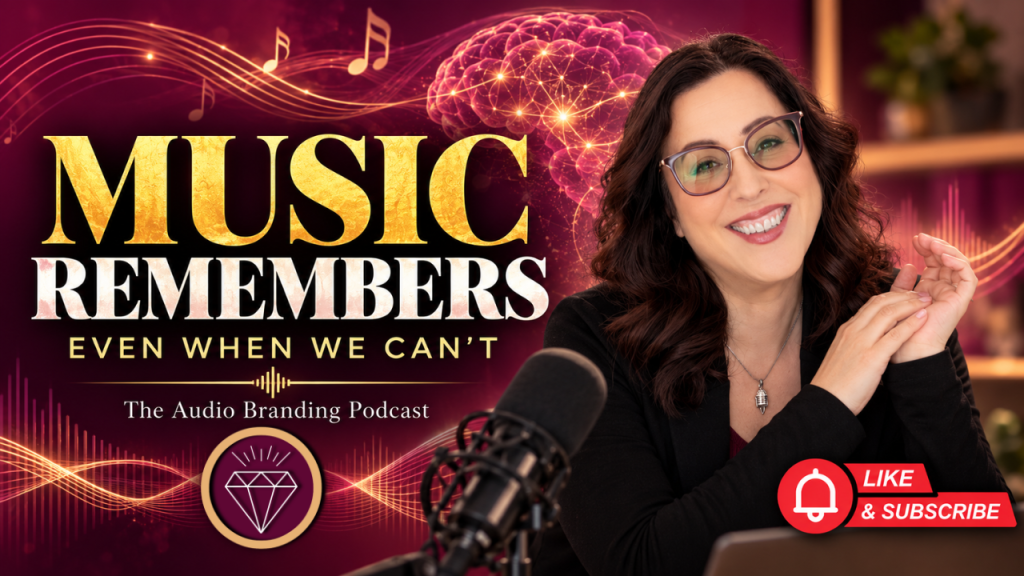
Another approach that, in combination with medical treatment and long-term care, has shown particular promise is music and audio therapy. We all know how important a role sound plays in our everyday lives, but its ability to stir our deepest memories and foster new connections and activity within the brain has inspired researchers to study whether it can help restore those memories and connections for people suffering from neurodegenerative disorders. The results have been surprising, and they have important implications for reversing memory decline and mental health.
Just a few years ago, a study from the University of Bergen, in Norway, found three distinct neurological benefits of music therapy in Alzheimer’s patients. Not only did it stimulate new neuron growth in the brain, it created new structural changes and synapses, helping offset some of the damage that comes from dementia. They also found that music triggers the release of dopamine, fostering a sense of reward and well-being in listeners. That’s true for everyone, but it’s particularly beneficial for patients suffering from Alzheimer’s, whose brains might otherwise be starved of the dopamine release that helps us feel motivated and happy. Dopamine also improves our coordination and memory recall, and it naturally declines as we age, making it even more important as we get older.
The emotions sparked by music were also found to reduce stress and inflammation throughout the nervous system, which leads to a stronger immune system. And for people who are suffering from Alzheimer’s, that can make a big difference in their day-to-day functioning and well-being.
If you’d like to hear about how music has helped with such far-ranging conditions as Parkinson’s and strokes to stuttering and sleeping sickness, there’s a link here to a brief clip of famous neurologist Oliver Sacks discussing his research on sound’s effect on the brain:
But researchers have also found that music can go deeper than forming new connections and improving mood: it can reawaken thoughts and memories that seemed to be lost in patients suffering from dementia. While the exact mechanisms are still a mystery, studies have shown that music can create a detour around broken neural pathways, allowing them to access parts of the brain that otherwise seemed to be closed off. Doctors have reported that patients who’d all but lost their ability to speak could still tap out the melody or sing along with their favorite songs or familiar tunes like “Happy Birthday,” and even accompany duets and participate in group singalongs.
This effect was strongest for music that had a connection to the person’s life, songs from their childhood and teenage years, and it allowed some patients to temporarily reconnect with their lives, helping ease their confusion and anxiety while engaging with the world around them.
For a touching firsthand look at how music can help, check out the link here to a video that shows the dramatic impact it made during a 2014 study by the University of Wisconsin:
It turns out that music has benefits for healthy brains as well. While it hasn’t been found to slow the onset of dementia and memory loss, a 2020 study by Harvard showed that music listeners had higher ratings for mental wellness and lower scores for anxiety and depression compared to the rest of the population. Being exposed to music as a child led to an almost 20% increase in subjects’ ability to learn new things, and those with active musical engagement, including participants over the age of 50, reported higher levels of happiness and cognitive functioning. And the good news is that it isn’t too late to start if you didn’t have a musical upbringing: adults who had no early exposure to music but engage with music in their everyday lives showed above-average scores for mental wellness.
Researchers note that since some of these findings are self-reported, more studies are needed to confirm the link between, for example, music and cognitive function. But it’s hard to argue with people who say that music makes them happier and less anxious, and the numbers back them up.
If you could use a little healing music in the background, here’s a link to an ambient music-therapy track from Ohshun Studios tailored for neurological disorders:
Being diagnosed with a neurodegenerative disorder like Alzheimer’s, or caring for someone who’s struggling with dementia and memory loss, can be overwhelming, and there’s still no easy answer or single cure on the horizon. But researchers are working towards new treatments and new avenues of research every day. Music, with its ability to connect our thoughts, memories, and feelings more deeply than words alone, offers a unique approach to treating memory loss, and the science of sound is leading to new treatment options and a better understanding of the brain.
Connect with the Show
Get your complimentary mini e-book and learn how to create your personalized and branded audio branding strategy with my Top Five Tips for Implementing an Intentional Audio Strategy.
Do you need a voice talent for your next project? Visit my voice-over website to find out more about how my voice can help you with your audio brand. You can also subscribe to the Audio Branding Podcast on YouTube to watch the show’s latest episodes.
Please leave the Audio Branding Podcast a written review so others can find the show on their favorite podcast player!
Want to be a guest on Audio Branding? Send Jodi a message on PodMatch, here: https://www.podmatch.com/hostdetailpreview/jodikrangle.
This episode was very skillfully made to sound beautiful by the talented Humberto Franco.
** Transcript available upon request